Customer experience strategies often emphasize personalization.
Messages get tailored. Recommendations shift. Content customizes based on segments or historical behavior.
But personalization alone doesn’t guarantee relevance.
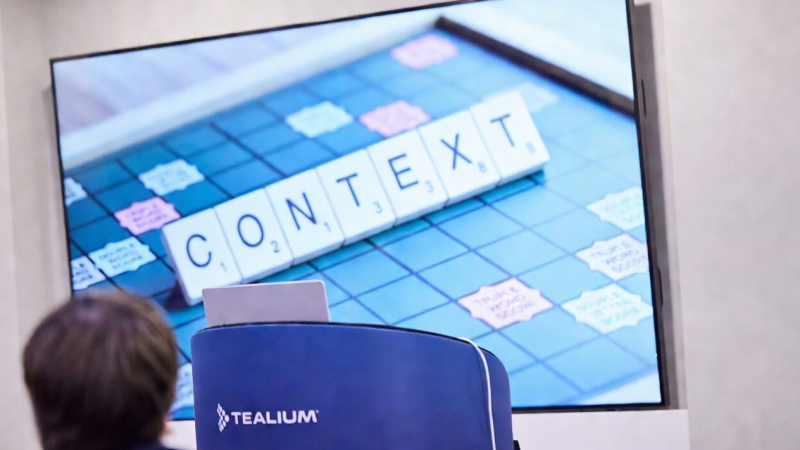
Relevance depends on context.
What is the customer doing right now?
What just happened?
What are they trying to accomplish in this moment?
Without that context, even well-designed personalization can feel disconnected from what the customer’s actually doing.
Why Historical Data Alone Isn’t Enough
Many customer experience systems rely heavily on historical data.
Past purchases, previous interactions, and long-term behavioral patterns provide valuable insight into customer preferences.
But historical data doesn’t always reflect current intent.
For example:
A customer who has historically browsed one category may suddenly explore a different product line.
A loyal user may encounter a service issue that changes their immediate needs.
A new visitor may exhibit high purchase intent within a single session.
In these situations, relying solely on historical data creates interactions that feel out of sync.
Real-time data complements historical insight by capturing what’s happening now, not just what happened before.
What Defines a Context-Driven Experience
A context-driven experience is one that adapts to the customer’s current behavior and environment.
Rather than following a predefined sequence, these experiences respond dynamically to signals as they occur.
Key characteristics include:
- Responsiveness to in-session behavior
- Awareness of recent interactions across channels
- Alignment with the customer’s current intent
- Consistency across touchpoints
These experiences feel more relevant because they reflect the customer’s immediate situation.
How Real-Time Data Enables Context
Delivering context-driven experiences depends on the ability to process and act on data quickly.
To do this you have to have the right capabilties:
Real-Time Signal Collection
Customer interactions must be captured as they occur across digital and offline channels.
This includes:
- Website and mobile activity
- Transactional events
- Support interactions
- Behavioral signals across touchpoints
Continuous Profile Updates
Customer profiles must update dynamically as new signals are received.
This ensures that systems operate on current information rather than delayed snapshots.
Contextual Decisioning
Systems must evaluate available signals and determine the most relevant action.
This may involve:
- Rule-based decisioning
- Predictive models
- AI-driven recommendations
Immediate Activation
Once a decision is made, organizations must be able to activate the appropriate response across channels without delay.
Examples of Context-Driven Experiences
So what are Context-Driven experiences? Well here’s just a few examples that you could leverage:
In-Session Personalization
Adjusting website or app experiences based on live behavior.
For example:
- Highlighting relevant products based on browsing patterns
- Adjusting messaging based on engagement signals
- Guiding users through conversion flows
Triggered Engagement Based on Behavior
Responding to specific customer actions as they occur.
Examples include:
- Sending a follow-up message after cart abandonment
- Triggering support outreach after a negative interaction
- Offering incentives based on real-time thresholds
Cross-Channel Coordination
Ensuring that interactions across channels reflect the same context.
For example:
- Aligning email, mobile, and in-app messaging
- Avoiding duplicate or conflicting communications
- Coordinating marketing and support interactions
Real-Time Decisioning for High-Value Moments
Identifying and responding to moments with high impact on outcomes.
Examples include:
- Conversion opportunities
- Retention risks
- Upsell or cross-sell opportunities
The Impact on Business Outcomes
Context-driven experiences improve performance across several dimensions.
- Higher Conversion Rates
- Improved Customer Satisfaction
- Reduced Wasted Spend
- Increased Retention and Lifetime Value
Moving From Personalization to Context
Many organizations have already invested in personalization.
The next step is moving from personalization based on historical segments to experiences driven by real-time context.
This shift requires:
- Faster data pipelines
- More unified customer profiles
- Greater coordination across systems
Organizations that make this transition deliver experiences that feel responsive and relevant.
Context Is the Next Stage of Customer Experience
Customer expectations continue evolving toward immediacy and relevance.
Static personalization and channel-based campaigns no longer cut it.
Context-driven experiences represent the next stage in customer engagement.
They require systems that understand what customers are doing in the moment and respond accordingly.
Real-time data is the foundation that makes this possible.
Organizations that invest in real-time customer data infrastructure move beyond predefined interactions toward experiences that adapt continuously to customer behavior.
In this environment, context isn’t an enhancement to personalization.
It’s what makes personalization effective.