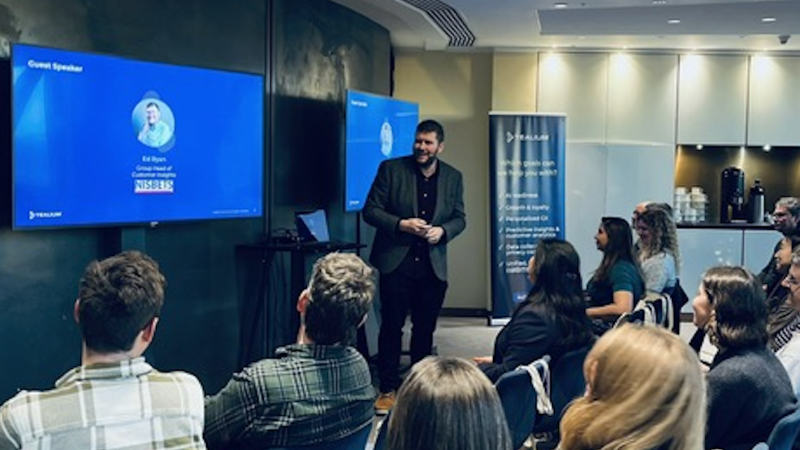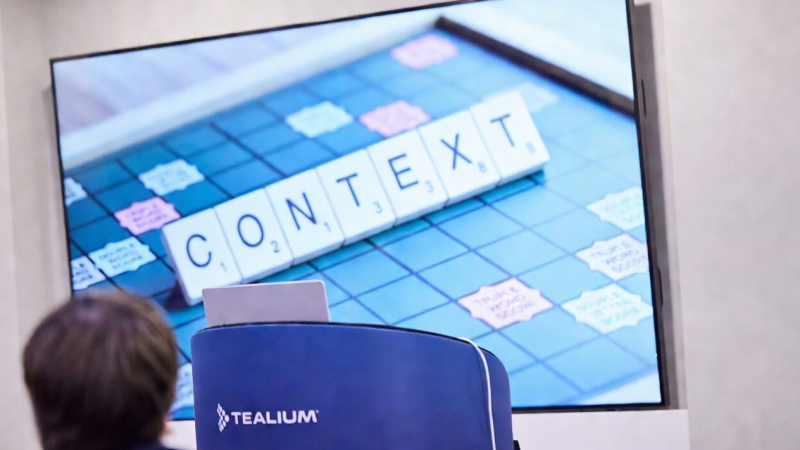
It’s been a couple of weeks since Digital Velocity 2026 in London, and one thing is clear: AI has moved from side conversation to centre stage. As a Principal Customer Success Manager at Tealium, I spend my days with leaders and teams across Data, Analytics, AI, and Marketing, so I’m very familiar with the challenges they face, but this year’s event felt different. The questions were sharper, the ambition higher, and the evidence of impact undeniable.
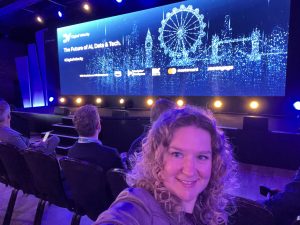
Let me recap the moments that stood out to me most, from ocean‑sailing analogies and agentic AI “front doors” to AI‑powered personalisation and radical customer‑centricity, and share three practical takeaways I think every brand should act on next.
AI (remains) in the Spotlight
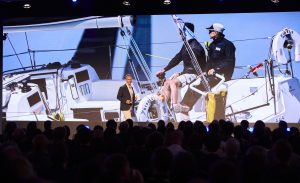
Tealium’s Nick Martin (General Manager, EMEA) welcomed everyone to the event on Tuesday with an ocean sailing analogy. He advised us to “be ok with not having all the answers” when it comes to AI, and that really resonated with me. To paraphrase Nick’s analogy; we are all navigating rapidly changing conditions and objectives, and we must respond, adapt, and learn to work differently if we are to succeed.
In his keynote address, Tealium CEO Jeff Lunsford illustrated Tealium’s role as the “real-time circulatory system for first-party data” as we enter the era of Agentic AI. He explained why brands must build agentic front doors to respond to changing customer behaviours and demands, or risk being left behind. He expanded on Tealium’s role in this evolving tech stack, and officially launched our AI Accelerator Offer, designed to bring you the expertise and free Tealium volume you need to get initial AI use cases up and running quickly and efficiently. Later in the day, CTO Mike Anderson’s session was a trademark, high-energy whirlwind tour of Tealium’s 2026 innovation roadmap, including Edge Intelligence to power AI-ready customer experiences at scale and AI-powered features coming to the Tealium platform. I can’t do his session justice by summarising it here so I’d recommend watching the 30-minute recording.
Customer Stories: From Theory to Impact
Nick’s opening comment about needing to be responsive and adaptable was one that I heard echoed by our outstanding customer speakers throughout both days. On Monday, Jeroen Jaspar and Laura Glende explained how they’ve implemented AI-driven personalisation at Vodafone Germany and walked through the impressive results they’ve already measured. My favourite is their Propensity-To-Buy use case, which surfaces an ML score to the website to prioritise call routing and drive increased sales (watch the recording for details). Their advice was simple: “learn by doing – you can only gain knowledge by practical experience,” accompanied by a recommendation not to let endless discussions get in the way of deployment.
Milos Petkovic and Jesus Romero from Radisson Hotel Group reiterated this advice on the second day of Digital Velocity. Their team got their first CDP use case live in just 3 weeks, and were able to demonstrate fast results which built trust internally for the project. For them, the project was “not about the tech, but instead about the value that it brings”.
Powered by People
Pallavi Modi from Zooplus told us how the biggest challenge they faced in their transition from siloed tools and teams to a data-first culture wasn’t the tech, but “how companies think, prioritise and execute”. As she took us through their journey and shared best practices for governance, data activation, and cross-functional collaboration, one takeaway was clear: “buying software and building capabilities are two different things”. This statement from one of her slides really struck me: “Technology is an enabler, not a magic wand. The true transformation is cultural”. You can watch her full presentation here.
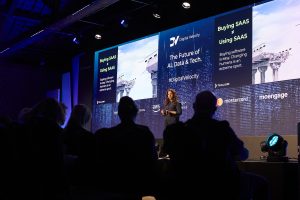
Joséphine Firino Martell from SNCF Connect & Tech shared this view, describing their large-scale CDP implementation as “a people project more than a data project”. She described their key success as starting by aligning people, which allowed them to be agile, responding to requirements changing between planning and implementation, and unexpected technical complexities changing their priorities. Ultimately, this flexible approach helped them to find value in unexpected use cases, and make decisions based on ROI.
For a masterclass in organisational buy-in, we had Andrea Uribarri from BBVA, who described her team as one that “makes business wishes come true”. BBVA’s journey over the last couple of years, and their plans to approach AI-focused use cases next, are seriously impressive. They’ve done this by having top-down organisational sponsorship for building their consented, real-time data layer, and described using an internal roadshow of initial success to generate further interest. Andrea’s advice? Build something, document it, analyse the impact, and then evangelise it around your business so that you can build further upon it. I think that’s advice that we can all take, no matter our role, and I recommend watching Andrea’s session to hear it directly from her, too.
Customer Focused
Andrea also described BBVA as having a “radical customer perspective” to drive innovation, and this notion of putting the customer at the centre of everything we do was one I heard time and again throughout the two days. Pallavi from Zooplus asked us to consider why we impose our organisational structure onto our customers, and Ida Sofie Klee from Matas framed her session by asking, “How do you stay on top of consumer trends and competitors without losing sight of the customer journey”? The answer to that for Matas was thorough prioritisation, spending their first 2 years with Tealium focused on building a robust data foundation to fuel future initiatives. With top management setting the strategy, a Centre of Excellence team aligning use case priorities, and a delivery team implementing them, they’ve used their data foundation for highly personalised campaigns across paid media, loyalty programs and retail media, with a vision to connect teams such as call centre and in-store to the data in the future.
The session from Bernardo Hermoso at LALIGA was a masterclass in personalisation. By committing to “put the fan in the centre” of everything they do, LALIGA have built a high-quality, unified, real-time data layer that enables real-time personalisation for fan engagement at scale. They’ve used this to delight their users, resulting in continued year-on-year engagement growth, including +30% mobile app usage in 2025, delivering meaningful ROI from their efforts. Watch the full session here for the details on how they achieved this.
In Closing
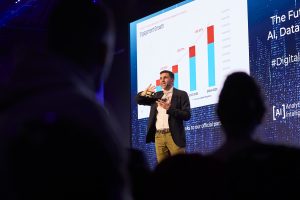
Renowned British retail consultant Mary Portas closed the event with a thoughtful keynote inviting us to explore who we want to be in the age of intelligence and to carefully consider the balance between automation and AI, and human input.
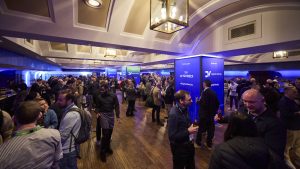
One of the things I love the most about Digital Velocity is the opportunity to talk with so many smart, curious and ambitious people over the course of the event. In these conversations, I heard two common themes: reassurance that teams are not alone in their challenges, and proof that others have found ways to overcome them. And feeling inspired, whether that’s by the new ideas they’ve come away with, the results they’ve seen others achieve, or the collaborative sense of community which fills the event.
My Top 3 Takeaways
So how do we turn that inspiration into something tangible? Pulling these stories together, here’s what I’m personally taking back into my work, and what I’d encourage you to focus on next:
- Just try stuff; test, prove results, and move on. The most successful teams are agile; they don’t let analysis paralysis stop them from getting things done, or let a few unsuccessful trials derail their overall direction.
- The best results come from companies with a data-led culture. If that’s not already there, we have to evangelise; show the impact of what we’ve done to secure the organisational buy-in to do more.
- Keep the customer central in your view. Ask yourself – does what you’re doing result in a better experience for your customer? Does it help them achieve their goal faster or easier, or does it make them come back to your brand as their first choice next time? If not, what’s the point?
Turning Inspiration into Action
Even in the age of AI, collaboration between people and teams remains central to success, and Tealium is here to help. If your next step after DV is to ‘just try stuff’ with AI in a way that’s safe and aligned to your data strategy, our AI Accelerator is designed for exactly that. Our experts will help you identify, design and implement an AI use case and help you prove the value with a clear story you can take back to your stakeholders. As well as this, we also have an AI Discovery Workshop and a Mobile Experience Workshop available, which will help you align and energise stakeholders around a deliverable plan. If you weren’t able to join us for Digital Velocity, or just want to experience it all over again, you can also explore all the session recordings on the Digital Velocity 2026 recap page here.