In the travel industry, personalization is the difference between a one-time booking and lifelong loyalty. But for global airliners like Iberia, delivering that personal touch is incredibly complex. Data lives in different systems: flight-booking transactions, website behavior, CRM profiles, and app usage.
How do you connect all those dots to understand what a customer really wants, right when they want it?
This was the central theme of our user group discussion in Madrid, featuring Carlos Fernández and Blanca Garcia from Iberia, who detailed their digital transformation journey. By placing Tealium’s Customer Data Orchestration Platform or CDP at the heart of their strategy, Iberia isn't just selling flights, it's engineering a predictable engine for customer value and strategic revenue growth.
Here’s a look at how they did it.
Goodbye Data Silos: Iberia’s Strategy for a Unified Customer View
Like many large enterprises, Iberia's teams were often "vertical," focused on their specific channels. The performance marketing team focused on sales, while the loyalty team focused on retention. The data was siloed, and so was the customer experience.
The first goal, set in early 2023, was to prepare for a cookieless future by unifying all data sources. But the bigger, more strategic goal was to break down these silos.
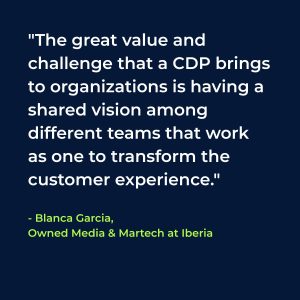
The solution was to establish cross-functional collaboration hubs, bringing together specialists from marketing, CRM, UX, analytics, and e-commerce. This new structure ensured that everyone was working from a single source of truth and toward a common goal: using data to serve the client.
The first major hurdle was technical: Iberia had to merge its offline transactional data (like a booking ID from the CRM) with its online behavioral data (like a visitor ID from the website). This was critical for eliminating duplicate profiles and creating a true, 360-degree view of the customer.
The Use Cases: Clear and Quantifiable Business Results
With a unified data foundation, Iberia's teams achieved:
→ Journey of Incremental Audience Retargeting Enabled by the CDP
Iberia wasn't starting from zero, they already had abandoned cart campaigns running. The problem? The data was siloed, meaning their post-visit messaging lacked synergy.
By using Tealium to finally combine their CRM data with real-time website behavior, they unlocked a massive hidden lever. They didn't just send emails; they automated a highly targeted recovery flow for ancillaries and non-ticket products.
The result of connecting these dots?
- 57% increase in user recovery (thanks to better identification)
- 12% increase in sales directly attributed to this new, intelligent journey.
→ Full-Cycle Personalization Drives Ancillary Revenue
The team shifted its focus from pure performance (just selling the ticket) to the full customer lifecycle, including awareness, retention, and loyalty. This meant using data to personalize the entire journey, not just the booking. Now, Iberia can use micro-segmentation to identify a customer's interests and propensity to buy, to offer the right ancillary service at the right time. This can be extra baggage, onboard services, or a travel-related offer.
→ Turning Rich CRM Data into Efficient Paid Media Profit
Instead of generic advertising, Iberia now builds propensity models based on rich CRM and transactional data. These models predict a customer's likelihood to purchase a premium fare or a specific ancillary. The resulting segments are then activated directly in their paid media, email marketing and personalization channels for far more efficient and effective campaigns through all channels.
→ Connecting Digital with Physical
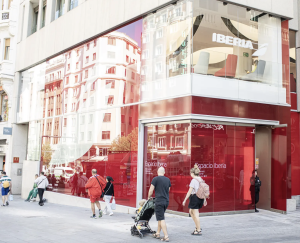
The strategy extends beyond the screen. Iberia uses its data insights to enrich physical brand experiences, like its "Espacio Iberia" pop-up center in Madrid. They connect physical store experience with digital profiles in a single solution, creating a connected ecosystem between the digital and physical worlds.
A New Standard for Customer Experience
Iberia’s journey proves that the true power of a CDP isn't just collecting data. It's about fundamentally changing how teams work together at scale. By building a transversal, cross-functional team around a central data hub, they’ve moved beyond simple performance to drive real, measurable value across the entire customer lifecycle.
If you like this to be your new standard for customer experience, too, get in touch with us to see Tealium in Action.